

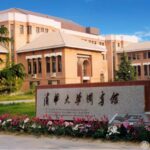
A world-leading authentication solution for China’s top university
Tsinghua University’s librarians have implemented OpenAthens Compass, replacing an array of authentication tools with our single, unified solution.
Times Higher Education ranked Tsinghua University Asia’s best in its Asia University Rankings 2025. And as China’s prestigious national center for training engineers and scientists it is a research-intensive institution, with thousands of researchers who collaborate with others across the world on projects in the sciences as well as the humanities, economics, management, education and more.
It’s no surprise, then, that its library experiences strong demand for remote access to its vast collection of high-quality digital resources. When the library’s 72,000+ registered users are on campus they authenticate using the university’s electronic ID service. But librarians say that around 50% of these need library access off campus as well. Until recently, these students, researchers and staff had several methods to try to connect remotely, including open-source software Shibboleth and the China Authentication and Resource Sharing Infrastructure (CARSI). However, no single method covered more than 70% of the available authorized resources, which made access and resource discovery frustrating for some library users – even after librarians built a dedicated app to help them identify their best access option.
The future of remote authentication
Tsinghua’s librarians say user feedback about their experiences with the library was generally “OK”. That’s because librarians prioritized helping users resolve access issues. But remote use of the library has grown steadily since 2020, putting more pressure on the library to support high-quality user experience. Librarians needed a new unified solution to help them make the learning journey simple and minimize the time and resource needed to do this.
The librarians had other priorities, too. They needed to protect end users’ data privacy, to be able to offer more Chinese databases and to have the option to make use of developing technologies like AI – now and into the future as new ones are introduced. Put simply, they needed a future-ready authentication solution that was adjusted to their library’s current needs and ready to flex and grow with them. They contacted OpenAthens’ local partner, EBSCO Information Services, to help them find it.
Tsinghua University’s librarians say they chose OpenAthens Compass because “it provides seamless single sign-on and protects users’ personal privacy”.
Tailored to local need
Qi Zhou, EBSCO’s director of SaaS innovation in Greater China, described some of the issues they had to consider. He said: “In China we face several challenges, such as strict compliance requirements for data privacy and limited domestic proxy server support for local resources.
It’s also the case that few local vendors participate yet in the OpenAthens Federation, but we overcame those issues for Tsinghua University by working with our local technology partner Younger Education Technology (YIT). They helped us ensure compliance with the Chinese government’s privacy regulations and provided support for local Chinese resources to create an authentication solution that works seamlessly with OpenAthens Compass.”
More of the library’s resources are now available remotely and the usage data and reporting functions are helping to make sure resources are used in ways that comply with licensing requirements.
